Group Sessions Private Sessions Online Corporate — FIFO & Mining Corporate — Schools & Students Corporate — Teachers & Staff Corporate — Emergency Services Corporate — Athletes Resources About Contact Enquire for Your Station
Corporate Wellness — First Responders & Emergency Services

From the Badge
to the Breath.
You don't have to carry it alone.

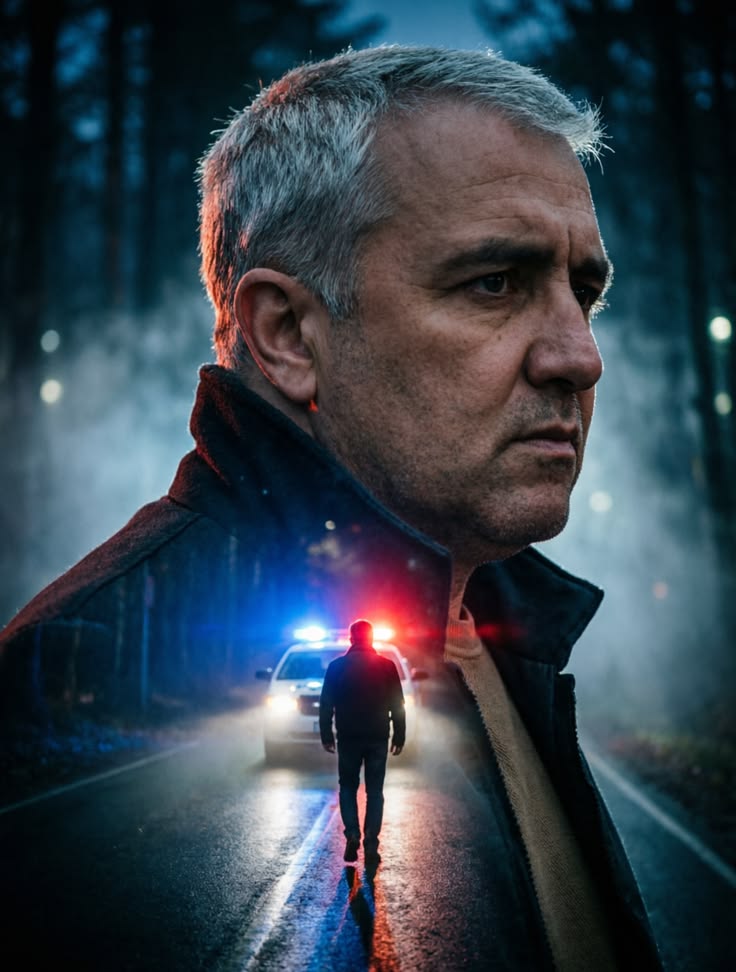
Marcus is ex-police. He knows what hypervigilance feels like at 2am when the job is over but the nervous system hasn't got the memo. SOMA Republic builds breathwork programs for police, fire, ambulance, and SES — because the tools that help you process what you see shouldn't require a waiting list.

~10%
First responders who develop
PTSD (vs 4% general population)
1in 4
First responders experience
a mental health condition annually
2×+
Elevated suicide rate among
police vs. general population
80%
Won't seek help due to
stigma and culture
The Reality

The job doesn't leave you
when you leave the station.

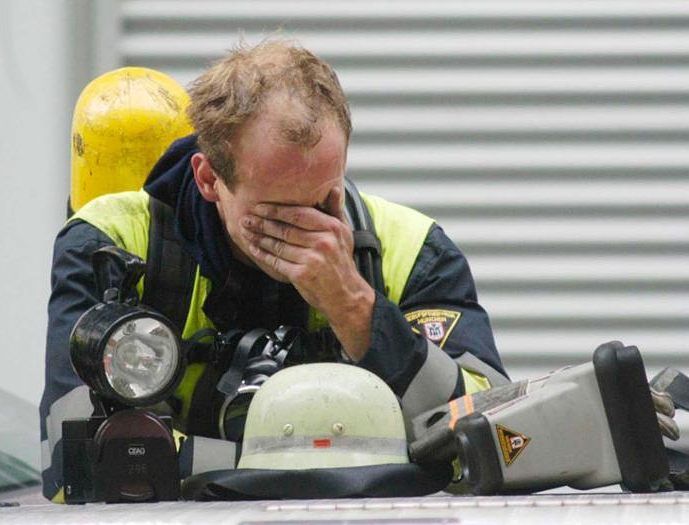
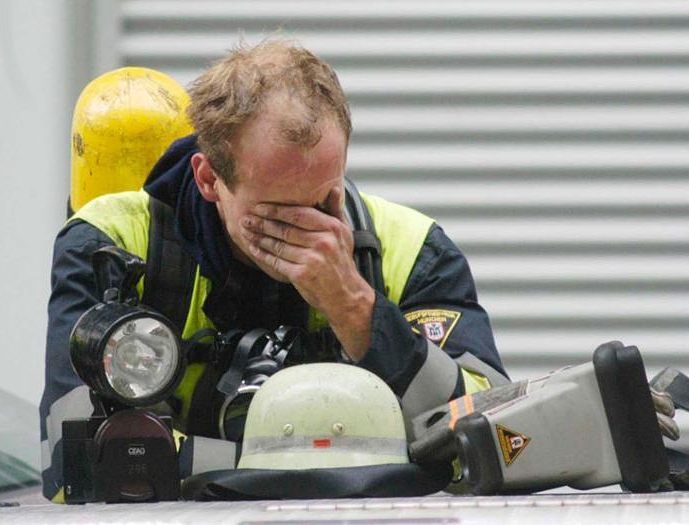
First responders absorb cumulative trauma across entire careers. Shift after shift of critical incidents, human suffering, and life-or-death decisions — without adequate tools to process and discharge what the nervous system has stored. The body keeps the score.

🧠

PTSD & Complex Trauma

It's rarely one incident. It's the accumulation — hundreds of callouts, scenes that stay with you, decisions made under pressure. Complex PTSD in emergency services builds slowly and shows up as intrusive thoughts, numbness, and a constant low-grade hypervigilance that makes ordinary life feel wrong. Standard EAP referrals don't touch it.

Chronic Hypervigilance

The nervous system learns to stay on high alert — because in the job, that vigilance saves lives. The problem is it doesn't switch off. Off-duty hypervigilance looks like irritability, difficulty relaxing, trouble sleeping, and an inability to be present with family. It's not a character flaw. It's a trained physiological response that has outlived its usefulness.

💔

Compassion Fatigue & Moral Injury

Repeated exposure to trauma depletes the capacity to care. When you've seen too much, a protective numbness develops. Compassion fatigue isn't burnout — it's the nervous system's defence against being overwhelmed. Moral injury, from situations where you couldn't prevent harm, runs even deeper. Both need a somatic outlet, not just talk therapy.

🤐

A Culture That Doesn't Ask for Help

Emergency services culture values toughness, composure under pressure, and getting on with the job. Asking for help is weakness. The stigma around mental health is higher here than in almost any other sector — and the consequences are fatal. More police die by suicide than in the line of duty. The culture must change. The tools must be accessible without that stigma.

Marcus — ex-police officer
About Marcus
Ex-Police Officer (WA Police) Ex-Mines Safety Inspector Certified 9D Breathwork Facilitator Perth-based, available WA-wide

Not an outsider selling wellness.
Someone who lived it.

Marcus spent years in WA Police. He knows the culture — the black humour that masks what you've seen, the way you compartmentalise because there's another callout in twenty minutes, the hypervigilance that follows you home and sits at the dinner table. He also knows the shame around needing help, and why most cops, firies, and paramedics will never call an EAP line.

"I didn't find breathwork at a wellness retreat. I found it because I was struggling, and it was the only thing that worked when nothing else did. I'm not here to sell you on wellness culture. I'm here because this tool is real, and people I know needed it."

After leaving policing and working as a mines safety inspector, Marcus trained as a 9D Breathwork facilitator and built SOMA Republic. His credibility in emergency services isn't from a certificate — it's from a shared experience. When he stands in front of a room of first responders, he's not asking them to trust a program. He's asking them to trust someone who's been where they are.

Read Marcus's Full Story
The Positioning

Operational. Evidence-based. No BS.

This isn't a mindfulness app or a wellness day. It's a nervous system intervention delivered by someone who speaks your language — operational, direct, evidence-grounded. No woo. No group hugs. Just tools that work.

Peer-Led. Not Outsider Wellness. Somatic PTSD Support Hypervigilance Off-Switch No Stigma. No Waiting List. Built for the Culture Evidence-Based Physiology Complementary to Clinical Treatment
The Science

Your nervous system learned to fight.
Breathwork teaches it to stand down.

Trauma lives in the body. Talk therapy addresses what happened cognitively — but the physiological charge stored in the nervous system requires a somatic intervention. Breathwork is one of the most direct, evidence-backed methods for discharging that charge and resetting baseline arousal.

Vagal Nerve Activation

Controlled breathing — particularly extended exhale patterns — directly activates the vagus nerve, shifting the autonomic nervous system from sympathetic dominance (fight-or-flight) toward parasympathetic regulation (rest-and-recovery). This isn't relaxation. It's a measurable neurological state change, achievable in minutes.

🧬

Somatic Trauma Processing

9D Breathwork's immersive format — music, guidance, and breathwork combined — enables the nervous system to access and discharge stored trauma responses. Where the verbal mind protects and deflects, the somatic body can process directly. This is why first responders who've been resistant to talk therapy often find breathwork reaches something different.

🛡️

HRV & PTSD

Heart Rate Variability (HRV) — a key marker of nervous system resilience — is consistently reduced in PTSD. HRV biofeedback and resonant-frequency breathing (a breathwork technique) have been studied in veteran and first responder populations with significant results. One NIH-referenced study showed 65% PTSD symptom reduction comparable to first-line medication.

🧠

Cortisol & Stress Baseline

Chronic operational stress elevates baseline cortisol permanently — driving hypervigilance, sleep disruption, emotional dysregulation, and relationship damage. Regular breathwork practice measurably lowers baseline cortisol over weeks. First responders with high cortisol don't need more coping strategies — they need to lower the biological setpoint.

😴

Sleep Restoration

Hypervigilance and PTSD symptoms wreck sleep — and without sleep, every other function degrades. Breathwork techniques targeting pre-sleep arousal reduction (extended exhale, 4-7-8 breathing) have strong evidence bases for improving sleep onset, duration, and quality in high-stress populations. Rested first responders make better decisions and carry less damage home.

💪

Self-Administered & Private

Unlike EAP referrals, counselling sessions, or clinical treatment, breathwork techniques are self-administered. No appointment needed. No one at work knows you're using them. A 3-minute breathing sequence in the car after a callout doesn't require disclosure. The privacy is part of why it works in a culture where help-seeking carries stigma.

Clinical note: Breathwork is positioned as a complementary nervous system regulation tool — not a replacement for clinical PTSD treatment, medication, or formal psychological care. For acute PTSD or crisis situations, we always encourage engagement with qualified mental health professionals alongside any breathwork practice.
Program Options

Built for how your service operates

Group sessions for stations and teams, private 1:1 for individuals, and online for shift workers who can't make it to Perth. No one format works for everyone — we design around your roster and your people.

👥

Station & Team Sessions

Group breathwork sessions delivered at your station, barracks, or facility. Suitable for 6–20 participants. Format is operational — no mats, no incense, no yoga vibes. Facilitator-led, evidence-framed, peer-normalised. Ideal for station-wide wellness initiatives or team-specific support after critical incidents.

View group sessions
🎯

Private 1:1 Sessions

Individual sessions for first responders who want to address specific issues — PTSD symptoms, hypervigilance, sleep disruption — without a group setting. Conducted in person (Perth) or online. Complete confidentiality. No referral required. No paperwork. You show up, you do the work.

View private sessions
💻

Online for Shift Workers

Regional officers, shift workers, and those who can't travel to Perth. Full 9D Breathwork experience delivered online — same guided immersive session, same facilitator. Works with any roster. Accessible from a donga, a country town, or your living room at 6am before a night shift.

View online sessions
Station Program Structure

What we deliver for your team

Every station program is designed around your shift structure, your incident load, and your team culture. We're not running a generic wellbeing workshop — we're building something your team will actually use.

1

Command Briefing

Senior leadership and welfare officers first. We cover the evidence base, program structure, what participants will experience, and how to frame it for the team. This isn't framed as mental health intervention — it's performance maintenance. Operational language throughout. Leadership buy-in determines whether the team shows up.

⏱ 30–45 minutes
2

Team Introduction Session

The first session your crew attends is informational — no breathwork required. Marcus explains how the nervous system accumulates trauma, why breathwork works physiologically, and what a session actually involves. No commitment needed. No pressure. The goal is normalisation — showing this is evidence-based, practical, and being used by people who look like them.

⏱ 45–60 minutes
3

Guided Breathwork Sessions

Full 9D Breathwork sessions — immersive, music-driven, facilitator-guided. Participants lie down with headphones and do the work. Groups of 6–15. Sessions run 45–60 minutes including debrief. Multiple session blocks accommodate rotating shifts. First responders who've done one session typically want another — the immediate effects on sleep and nervous system regulation are concrete and hard to dismiss.

⏱ 45–60 minutes per group
4

Technique Training — Daily Tools

Practical breathing tools for the operational environment: box breathing for acute stress management, extended exhale for post-callout decompression, 4-7-8 for pre-sleep arousal reduction. Laminated quick-reference cards for lockers and vehicles. Two-minute audio guides for between calls. Skills that don't require a session — usable anywhere, any time, without anyone knowing.

📋 Delivered post-session
5

Ongoing Support & Follow-Up

Quarterly station visits. Critical incident response sessions available within 48 hours of a major event — because the time to intervene is right after, not six months later when the symptoms have calcified. Digital resources for ongoing individual practice. Welfare officer training so your team has an internal point of contact who knows how to refer. We stay connected between visits.

📱 Ongoing
The Evidence

Not wellness culture.
Peer-reviewed physiology.

Breathwork and HRV-based interventions have been studied specifically in first responder and veteran populations — the evidence is unambiguous, and it's the same science that runs military PTSD programs globally.

"HRV biofeedback training reduced PTSD symptoms by 65% in veteran populations — outcomes comparable to first-line pharmacological treatment."

PMC / National Institutes of Health

"Slow-paced breathing increases heart rate variability and activates the vagus nerve, producing measurable reductions in cortisol and self-reported anxiety within a single session."

Frontiers in Human Neuroscience

"Breathwork interventions in emergency services personnel significantly reduced acute stress markers, burnout scores, and self-reported intrusive symptoms in multiple controlled studies."

International Journal of Environmental Research and Public Health

Ready to bring this to your station?

Tell us your service, your team size, and what you're trying to address — post-critical incident support, general wellness program, or individual officer support. No hard sell. We'll come back with a program outline that fits your operation.

Enquire for Your Station

Or reach us directly: contact@somarepublic.com.au  ·  +61 450 338 338

9D Breathwork — Awakening
Awakening Open pathways you didn't know were closed.
9D Breathwork — Full Rest
Full Rest Complete nervous system recovery.
9D Breathwork — Trauma Release
Trauma Release Let the body do what it was designed to do.